

Vince Gill’s Music Has Long Given Voice to Grief — But Claims of a New Private “Battle” Remain Unverified
The country singer has spoken through his music about loss and compassion.
There is no verified basis, however, for a headline claiming he has just revealed a struggle he kept “behind closed doors.”
A social media headline says Vince Gill has “finally broken his silence” about a private battle and that fans are heartbroken.
It is an arresting claim, but it leaves out the detail readers need most: What did Gill say, when did he say it, and where?
Without an identifiable interview, statement or other reliable source, the headline should not be treated as news.
There is no verified announcement here of a new illness or undisclosed personal crisis.
Gill’s life and work do offer a real story about grief, faith and the comfort people find in music—but that story deserves to be told accurately.

For decades, Gill has held an unusual place in country music.
He is admired for his singing and guitar playing, but many listeners also know him as an artist willing to make room for sadness.
His songs do not always promise that pain will disappear.
Often, they acknowledge it plainly and offer the listener company while they carry it.
Perhaps the clearest example is “Go Rest High on That Mountain.”
The Grand Ole Opry describes the song as a tribute connected to the death of Gill’s brother and notes that Gill initially intended to keep it private.
What began as an intensely personal piece became a song that countless other people have used to express their own loss.
That history helps explain why an emotional headline about Gill might feel believable to fans.
They have heard him sing about grief with tenderness and conviction.
Some may associate his voice with a funeral, a loved one’s memory or a difficult period in their own lives.
The connection is real. It does not, by itself, establish that he has made a new disclosure.
“Go Rest High on That Mountain” also became one of Gill’s most recognized recordings.
It won Grammy Awards for Best Country Song and Best Male Country Vocal Performance at the 1996 ceremony.
Those honors mark its place in music history, but its lasting effect is harder to measure: it gave many listeners words for an experience that can leave people unable to speak.

Gill’s performances have reinforced that connection between the song and public mourning.
In 2013, he and Patty Loveless performed it during a tribute to George Jones.
The Grand Ole Opry includes that performance among its accounts of memorable moments on its stage.
It was a public expression of loss through music, with no need for speculation about anyone’s private life.
That distinction matters when a headline uses phrases such as “breaks his silence” or “the battle he’s been fighting.”
Those words suggest a specific, newly revealed event. Readers reasonably expect the article beneath them to provide Gill’s account.
If it cannot, the headline turns a familiar theme in his music into an unsupported claim about the man himself.
It is possible to write movingly about Gill without doing that.
His career provides ample evidence of how he has approached sorrow as a songwriter and performer.
“Go Rest High on That Mountain” began with personal grief and reached people far beyond his family.
Its endurance shows how a song rooted in one person’s loss can help others face theirs.
The appeal of such music is deeply human.
Grief can be isolating, especially when friends and family do not know what to say.
A song cannot remove the loss, but it can make silence feel less empty.
For some listeners, Gill’s restrained delivery gives them space to remember someone.
For others, the song’s language of rest offers solace shaped by faith.
Those are listeners’ responses to the work, and they help explain why it continues to matter.

There is also a responsibility that comes with writing about an artist whose music feels personal to an audience.
Fans may feel they know Gill because his performances have accompanied important moments in their lives.
Yet a song’s emotional honesty does not give outsiders knowledge of its singer’s current health or private circumstances.
Respect for the artist means keeping those boundaries clear.
The available, verifiable story is powerful enough.
Gill transformed grief into a recording that earned major recognition and remained meaningful well beyond an awards season.
He has performed it in moments when the country music community gathered to mourn.
Through that work, he has helped people find a way to express love and loss together.
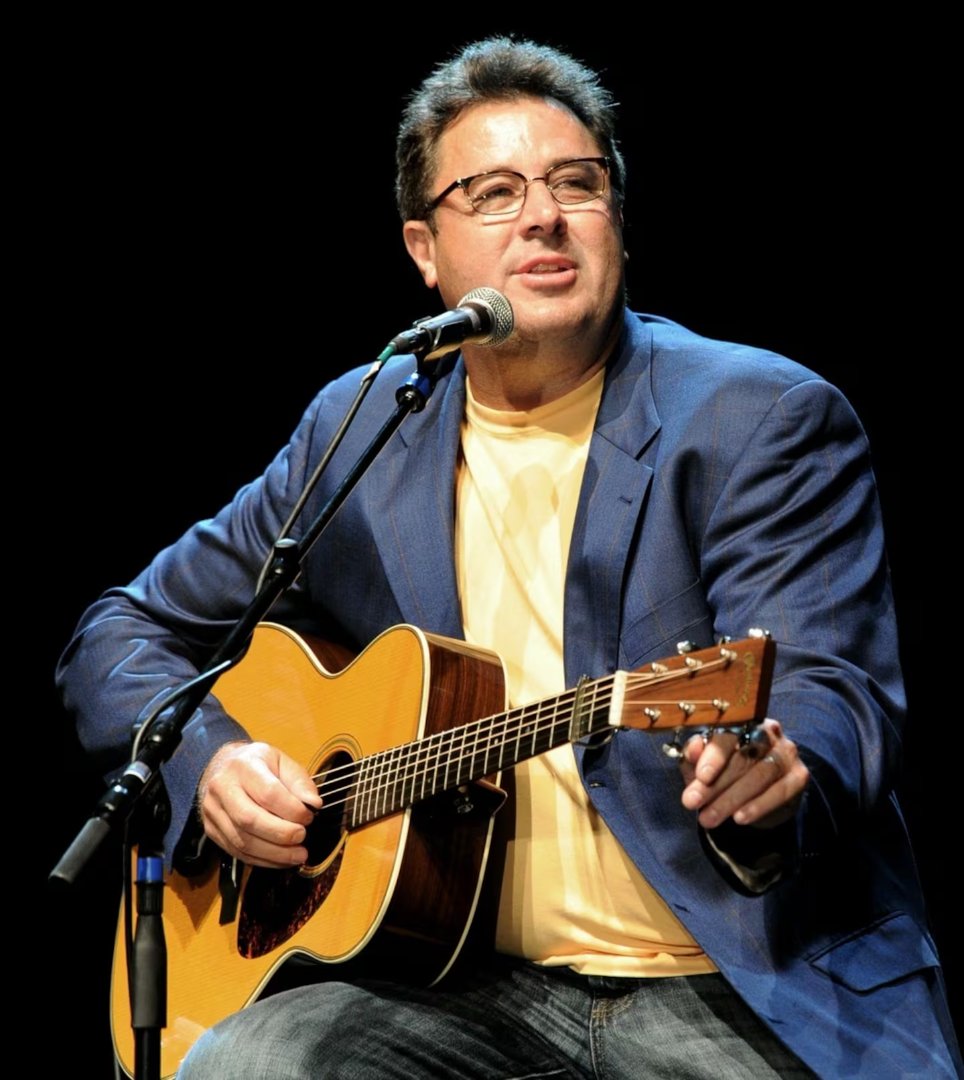
If Gill chooses to speak publicly about a new personal struggle, his own words and the date and setting of that disclosure should lead the coverage.
Until then, describing an unspecified “battle behind closed doors” as a breaking revelation risks misleading the very fans the headline addresses.
What listeners can say with confidence is simpler and more meaningful: Vince Gill has given grief a voice.
His music has met people during some of their hardest days, and “Go Rest High on That Mountain” remains an enduring example.
The compassion fans hear in it is real. A newly revealed private battle has not been established.